
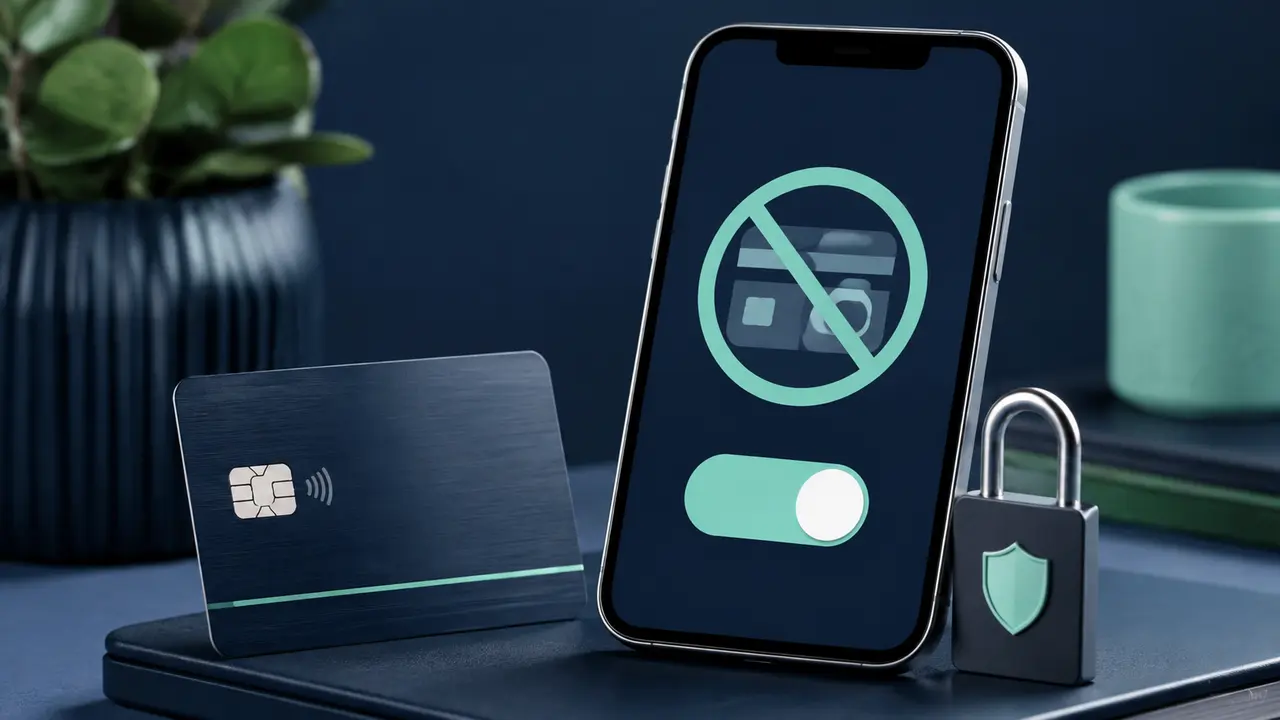
Many UK banks let customers block card payments identified as gambling. The feature can add useful friction, especially when it includes a delay before reactivation, but it should not be treated as a perfect barrier.
This article provides general information, not legal or financial advice. Casino UK Blog does not operate gambling services or link to casino operators.
How a block identifies transactions
Banks generally rely on merchant category information attached to a payment. A correctly coded gambling card transaction may be declined when the block is active. Coverage can differ for bank transfers, e-wallets, cash and payments routed through another service.
Cooling-off periods add protection
Some banks require a waiting period before a block can be switched off. This creates time for an urge to pass and for the customer to reconsider. Check the bank’s own explanation to understand activation, coverage and reactivation rules.
Combine several layers
A bank block can sit alongside GAMSTOP, device-blocking software, operator self-exclusion and marketing opt-outs. Multiple independent barriers are harder to undo in a single impulsive moment. A trusted person or support service can help build the plan.
Ask for help with financial pressure
If gambling has affected bills or debt, contact the bank’s vulnerability team and a free debt-advice organisation. Avoid high-cost borrowing or moving payments to bypass a block. The aim is to protect essential finances, not to find another payment route.
Quick checklist
- Ask what payment types are covered
- Choose a reactivation delay
- Combine independent barriers
- Get debt advice early
The bottom line
Good decisions begin with verified information and firm personal limits. Check official sources, read the exact rules that apply and remember that no casino game provides a reliable way to make money. If gambling stops feeling manageable, step away and use the support options in our responsible-gambling guide.